

Restaurant Consulting Harrisburg PA
Practical Tips on How to Reduce Food Waste in Restaurants
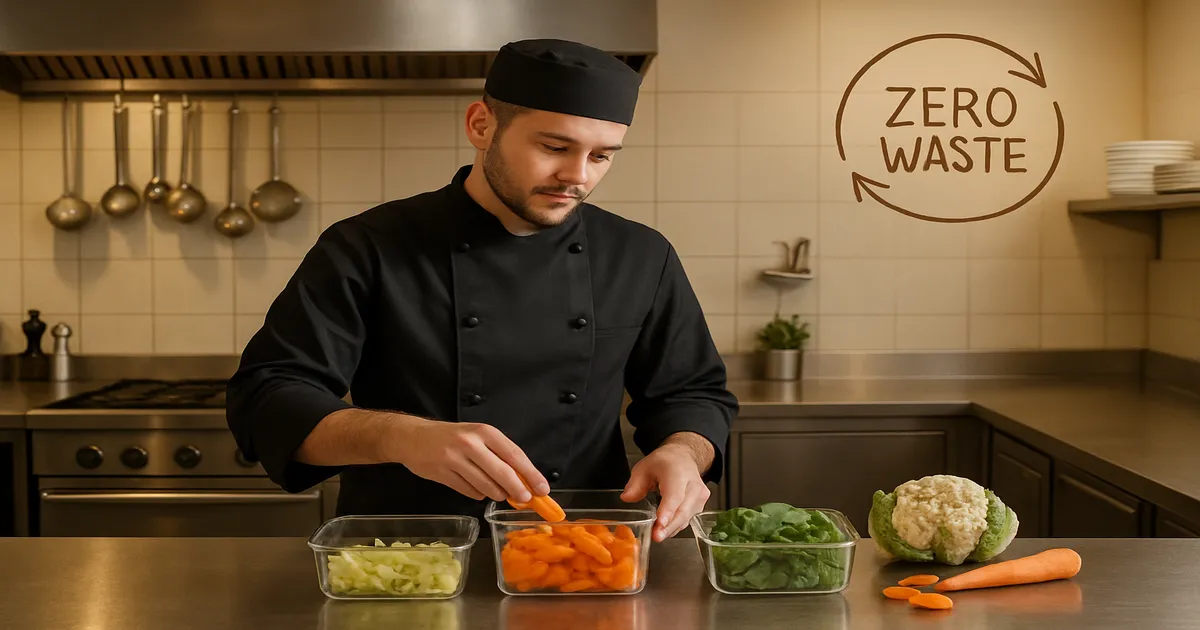
Every restaurant faces it: trays of uneaten food, spoiled produce, and ingredients that never made it out of the fridge. Food waste is bad for the environment and also bad for business. The truth is, even small amounts of waste add up to thousands of dollars lost each year. But the good news? Reducing waste doesn’t have to be complicated.
Understanding how to reduce food waste in restaurants starts with organization, accountability, and the right systems in place. The goal isn’t just to cut losses but to build a more sustainable, profitable operation. And with the right strategies, from accurate inventory management to employee training, any restaurant can significantly minimize waste without sacrificing quality or service.
At Workplace Wizards, we help restaurants create operational systems that work, including waste control measures, checklists, and staff procedures that keep every ingredient accounted for. Let’s look at how you can do the same in your restaurant.
Conduct a Food Waste Audit
Before you can fix the problem, you have to see it clearly. Start with a food waste audit, a simple but revealing process that helps identify what’s being thrown away, how often, and why. For one week, have your team record all discarded food items, from spoiled produce to plate leftovers.
Categorize the waste into three areas: preparation waste, spoilage waste, and plate waste. Once you have the data, patterns will emerge. Maybe prep cooks are over-trimming vegetables, or perhaps portion sizes are too large. The key is to use this information to make smart, targeted changes.
Improve Inventory Management
An unorganized inventory system is one of the biggest contributors to food waste. Knowing exactly what you have, what’s expiring soon, and how much you truly need can prevent over-ordering and spoilage.
Train your team to use the FIFO method, First In, First Out, ensuring older ingredients are used before newer stock. Conduct regular inventory checks at least twice a week, and store similar items together so they’re easier to locate. This is also important for beginners who are new to Opening a Restaurant.
At Workplace Wizards, our consultants recommend implementing structured restaurant operational checklists that standardize how and when inventory is rotated. These systems not only reduce waste but also save time during busy shifts.
Refine Portion Control and Menu Design
Another effective way for food waste reduction in restaurants is by re-evaluating portion sizes. Oversized servings often end up in the trash, especially when customers can’t finish their meals. Conduct portion tests and ask for guest feedback to determine the ideal serving sizes.
Also, analyze your menu to identify underperforming dishes that use ingredients inconsistently or create excessive waste. Streamlining your menu and focusing on high-demand items will keep inventory lean and fresh.
Train and Engage Your Staff
Even the best systems won’t work without staff participation. Training your team on how to reduce food waste in restaurants ensures that every employee understands their role in keeping operations efficient. Teach prep cooks how to trim produce properly, encourage servers to communicate guest preferences to avoid unnecessary sides, and reward teams that meet waste-reduction goals.
Workplace Wizards offers Restaurant Employee Training Manuals and custom forms designed to teach accountability and consistency. When everyone plays their part, the results are noticeable, both in reduced waste and improved profits.
Repurpose and Donate When Possible
Finally, not all leftovers have to go to waste. Use trimmings for soups or sauces, repurpose day-old bread for croutons, or donate excess food through local hunger-relief programs. Not only does this reduce waste, but it also builds goodwill in your community.
Reducing food waste is about more than saving money. It’s about running a responsible, efficient restaurant that guests respect and employees take pride in.
Conclusion
Learning how to reduce food waste in restaurants requires awareness, teamwork, and structured systems. From regular audits to staff training and menu planning, each step contributes to a more efficient, profitable, and sustainable business.
With tools, checklists, and consulting support from Workplace Wizards, restaurants can turn waste reduction into a daily habit, one that strengthens operations and helps protect both profits and the planet.